
A practical list of regular, quarterly and annual household expenses to check when you are building a budget or working out what your next pay needs to cover.
Household bills include housing, electricity, gas, water, phone and internet, insurance, transport, childcare and subscriptions. Your list will depend on where you live, who shares the costs and which services you use. Start with the categories below, then check your own bills for amounts and due dates.
Go to the household bills checklist, or use Bill Finder below to make a starting list from your statements.
Upload a PDF bank statement and Money Detective Bill Finder will look for likely household bills and recurring payments, then build a checklist you can review.
Your statement stays private. Your PDF is processed in your browser. It isn't uploaded to Money Detective or stored by us. No sign-up needed, and we will never ask for your banking login.
Always review the results. Bill Finder identifies likely bills and recurring payments, but it may miss or misclassify transactions.
Check these before adding them to your list. Bank statement descriptions can be messy, so Money Detective may miss or misclassify transactions.

Written by Alex BPublished 5 November 2026
Money Detective is built around practical household money tools for Australians.
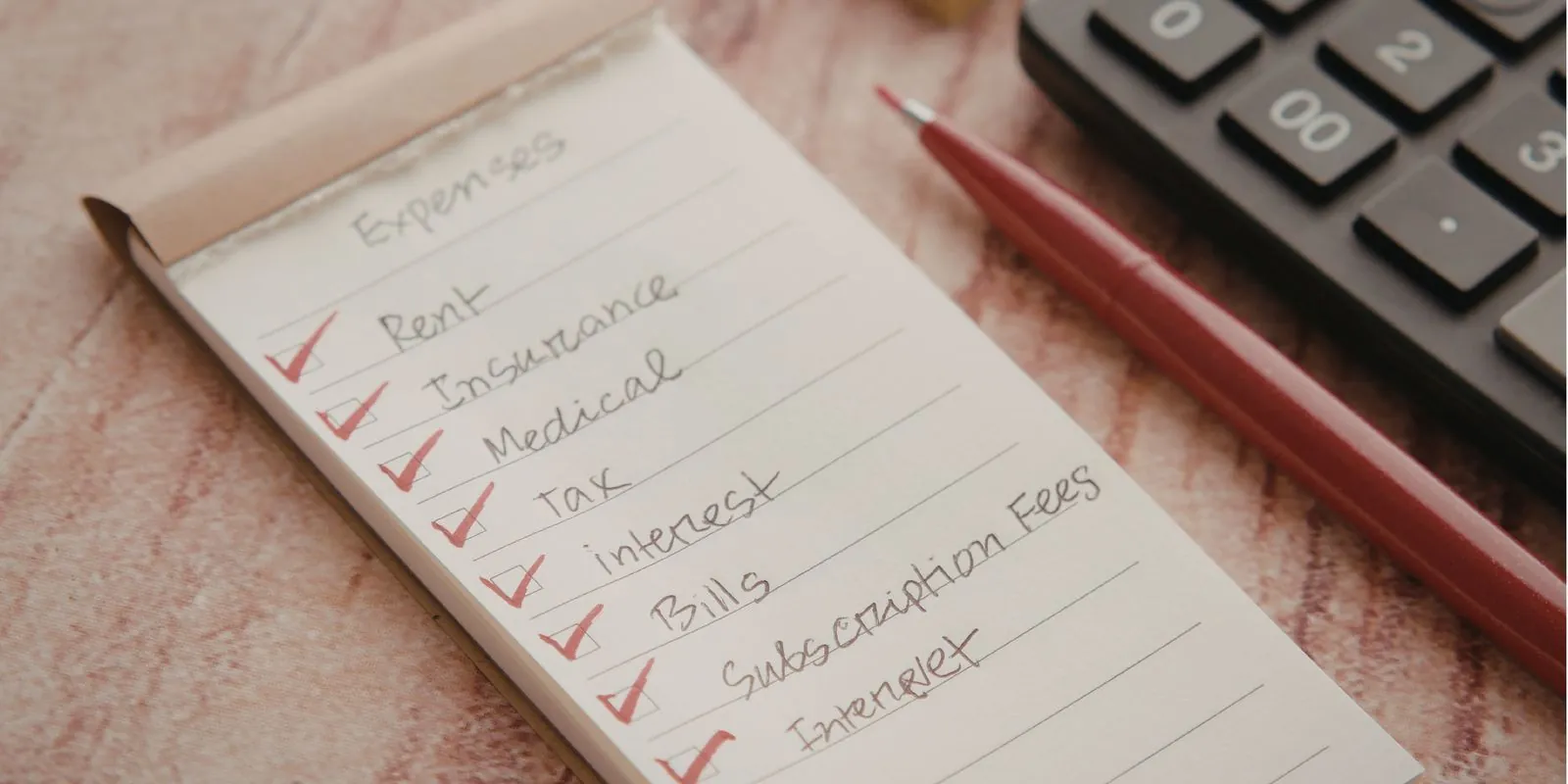
It is easy to remember the bills that arrive every month. The ones that can throw a household budget off course are often the costs that arrive every quarter, every six months or once a year.
A useful household bills list should include both your predictable regular expenses and the less frequent costs that still need to be paid. Moneysmart recommends including regular costs as well as irregular expenses such as car repairs, annual bills and pet costs when you build a budget.
Don't want to hunt through your statements yourself? Upload a PDF statement and Bill Finder will look for likely household bills and recurring payments for you.
Prefer to do it manually? Use the checklist below. Tick anything that applies to your household, including the less frequent bills that might not show up in a single statement.
A bill is a payment you owe for a service, purchase or commitment. A complete household budget also includes everyday spending, such as groceries, and money you choose to put aside. This checklist includes both so you can see the wider picture, but savings contributions and planned gifts are not bills.
Tick each cost only where it applies. Some items appear again in the annual reminder list: include them once in your budget, not twice. For shared costs, record the household total and your share separately so you know which amount you need to cover.
If you want to check whether you are paying more than you need to for your phone or internet, the free mobile plan comparison calculator and NBN plan comparison calculator show plan costs side by side.
Before comparing mobile plans, use the mobile data calculator to estimate the data allowance to compare.
Energy costs can vary with your usage, tariff and plan. If you are reviewing electricity costs, Money Detective's free calculators let you compare estimated plan costs using the details from your own bill. Not sure which figures on your electricity bill you need to compare? See how to read your electricity bill before comparing plans.
Insurance premiums are often paid once a year, so the renewal notice is a good time to compare. Read what to check before switching insurers, or line up quotes with the home and contents and health insurance comparison calculators. To budget for a car insurance renewal, try the car insurance cost calculator.
Subscriptions are particularly easy to overlook because they can be spread across different cards and accounts. A statement review can help you spot charges you no longer use. The free subscription audit calculator adds them up as monthly and yearly costs.
These are often the expenses worth checking twice because they may not appear in a single month's transactions. Giving each one its own small pot of money, sometimes called a sinking fund, is one way to be ready for them.
If renewal dates are the part you tend to lose track of, the Household Bill Tracker spreadsheet keeps every bill, due date and renewal in one place.
Use the payment schedule on your bill, contract or renewal notice. The service name alone does not tell you how often you pay. Record the next due date as well as the payment frequency.
For each entry, note the provider, amount, due date, frequency and account used to pay it. If a direct debit is already scheduled, include it in your plan without arranging a second payment. Review variable bills when the next invoice arrives rather than assuming the last amount will repeat.
Suppose an annual bill is $1,040. Across 26 fortnightly pays, $1,040 ÷ 26 = $40 per pay. This is an illustrative amount, not an Australian average or a quote. If the bill is due in four pays and nothing has been set aside, the immediate calculation is different: $1,040 ÷ 4 = $260 per pay. Subtract any money already reserved for that bill before dividing by the pays remaining.
A full-year average helps plan the next cycle; it does not show whether you have enough for a bill due soon. Keep the next due date beside the amount so that difference stays visible.
Once you have identified your expenses, add the amount and how often each one occurs. A monthly bill can usually be planned from the monthly amount. For quarterly, six-monthly or annual expenses, work out how much you want to set aside from each pay so the cost is less likely to arrive all at once. Our guide on how to budget for annual bills shows the calculation step by step.
If you want a full view of money coming in and going out, the free Money Detective budget spreadsheet lets you organise household income and expenses around your pay cycle. If you are paid fortnightly but most of your bills are monthly, see how to budget fortnightly when your bills are monthly. To compare that budget with what you actually spent, Fortnightly Budget Plus is the paid Excel version with over 30 categories you can rename.
If the bigger problem is working out what this particular pay needs to cover before the next one, Payday Buffer is designed for budgeting between paydays and setting aside money for upcoming and irregular bills.
Bill Finder gives you a starting point, not a complete record of everything your household owes. Check payments made from other accounts or cards, costs paid by another household member, and renewals outside the statement period. Review the name, amount and frequency of each suggested bill before building your checklist.
You can edit a suggested entry, exclude it or add a missing bill. Keep your own record of the finished list: Bill Finder does not save it for your next visit. The manual checkboxes above are also a temporary on-page checklist.
This article provides general information and a checklist of expenses that may apply to Australian households. Every household is different, so include only the costs relevant to you. Money Detective's tools provide estimates and planning information and do not provide personal financial advice.