
A budget is only as useful as its headings. Here is a plain list of budget categories for an Australian household, sorted into fixed, variable and annual costs, so nothing important gets left out.

Written by Alex BPublished 13 November 2026
Money Detective is built around practical household money tools for Australians.
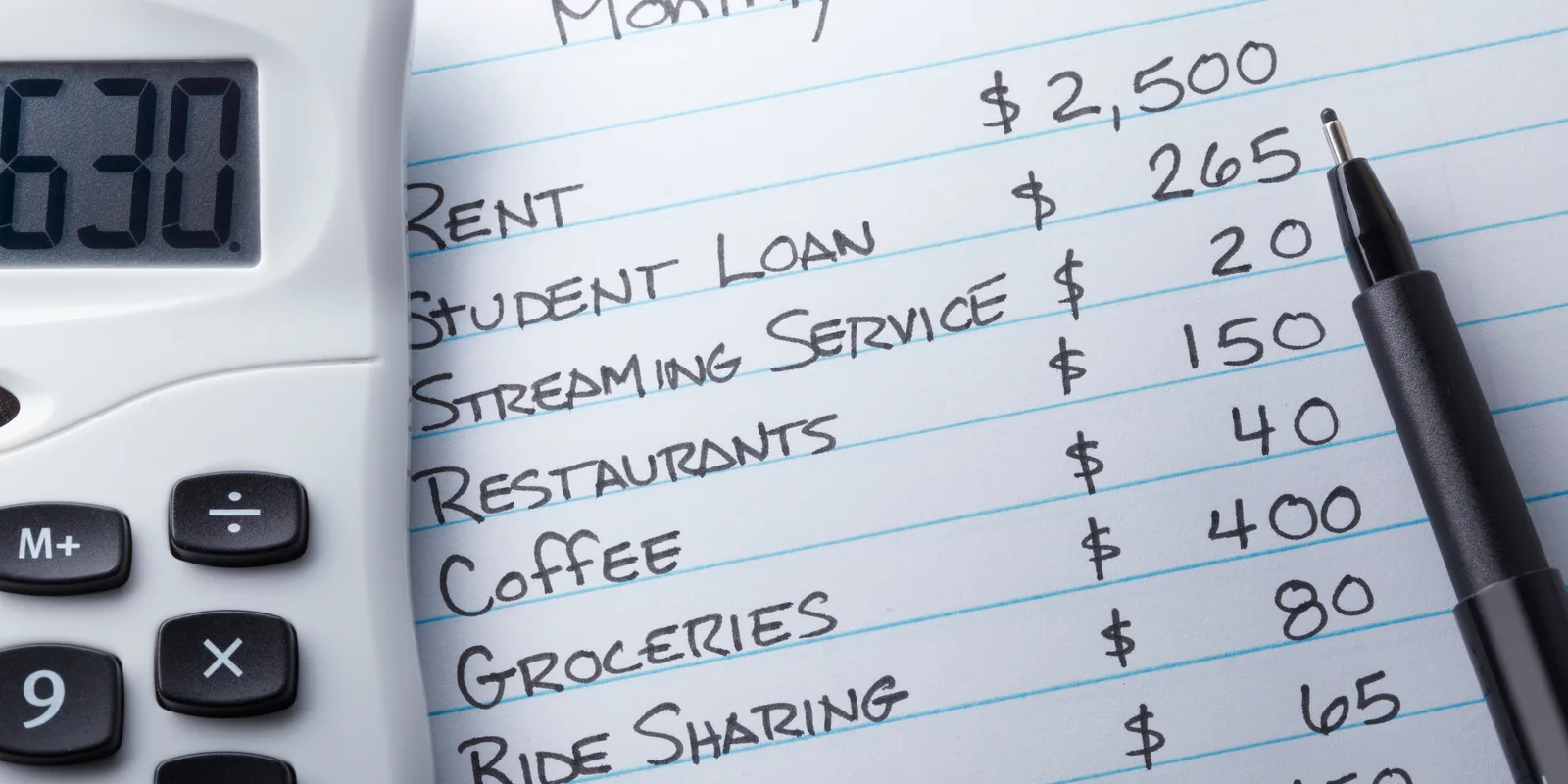
A budget categories list is the set of headings you sort your spending into, such as rent, groceries and car costs. If you want to use one straight away, the free fortnightly budget template for Excel already has the 23 categories listed below, with planned and actual columns for each pay.
You do not need a perfect list. You need one that covers where your money really goes, is short enough to keep up, and has a home for the bills that only arrive once or twice a year. This guide shows how to build that list for an Australian household.
Most categories fall into one of three groups, and the group tells you how to budget for it:
Some categories mix groups. Electricity, for example, has a fixed supply charge and a variable usage charge, so the total moves with the season.
This table uses the categories in the free fortnightly budget. The "usually" column is a general guide, because your own bills may differ.
| Category | Usually | What often goes in it |
|---|---|---|
| Rent / mortgage | Fixed | Rent or home loan repayments |
| Utilities | Mixed | Electricity, gas and water |
| Phone & internet | Fixed | Mobile plans and home internet, including NBN |
| Insurance | Fixed or annual | Car, home and contents, and private health cover |
| Groceries | Variable | The weekly shop and household basics |
| Transport | Variable | Fuel and everyday running costs |
| Health | Variable | Doctors, dentists, pharmacy and gap fees |
| Dining & takeaway | Variable | Meals out, coffees and delivery |
| Shopping | Variable | Clothes and general purchases |
| Entertainment | Variable | Outings, movies and events |
| Subscriptions | Fixed | Streaming, apps and memberships |
| Education | Annual | Fees, books and course costs |
| Kids & Childcare | Mixed | Childcare fees, school costs and uniforms |
| Gifts | Annual | Birthdays and Christmas presents |
| Celebrations | Annual | Parties and special occasions |
| Hobbies | Variable | Craft, sport and other interests |
| Extra-curricular | Mixed | Kids' sport, lessons and activities |
| Personal Care | Variable | Haircuts, toiletries and similar |
| Home Maintenance | Irregular | Repairs, garden and household fixes |
| Car Rego & Repairs | Annual | Registration, servicing and repairs |
| Tolls & Public Transport | Variable | Toll roads and public transport fares |
| Loans & Credit Cards | Fixed | Personal loans, car loans and card repayments |
| Other | Variable | Anything that does not fit yet |
A general guide only. Where an item sits depends on your own household and bills.
The categories people leave out are usually the ones that arrive once or twice a year, which is why they feel like a surprise. These ones catch many Australian households:
These figures are invented for illustration. Say your car rego is $1,200 a year and your council rates are $1,800 a year. There are 26 fortnights in a year, so you divide each yearly amount by 26.
| Bill | Per year | Set aside each fortnight |
|---|---|---|
| Car rego | $1,200 | $46.15 |
| Council rates | $1,800 | $69.23 |
| Total | $3,000 | $115.38 |
The amounts are rounded to the nearest cent. If your pay or bills are on a different cycle, how to budget fortnightly when your bills are monthly shows the conversions.
If you track spending as you go, the expense tracker spreadsheet guide covers how to keep your categories consistent.
For most households, a short list is enough to start. If you want each cost on its own line, with its own pay frequency, Fortnightly Budget Plus has over 30 renameable spending categories, so you can set the list up to match your household. The Excel budget templates for Australians guide compares every Money Detective spreadsheet.
Loans and credit cards. If repayments are getting hard to keep up with, speak to your lender early. The National Debt Helpline on 1800 007 007 offers free financial counselling, and what to do first when you cannot pay your bills covers the first steps.
Categories show where the money goes today. What you want it to do next is a separate question, and our guide to household financial goals in Australia picks up from there.
Put these categories to work: plan each pay and see planned vs actual on one dashboard.
Get the Free Fortnightly BudgetThis article provides general information only. It does not take into account your personal objectives, financial situation or needs, and it is not financial advice. Examples use invented figures. Money Detective's tools provide estimates and planning information. Consider your own circumstances, and seek independent advice if you need it, before making financial decisions.