
The usual advice is three to six months of expenses. For many households that is a long way off. Here is how to work out a number that fits your situation and a first target you can reach.

Written by Alex BPublished 10 November 2026
Money Detective is built around practical household money tools for Australians.
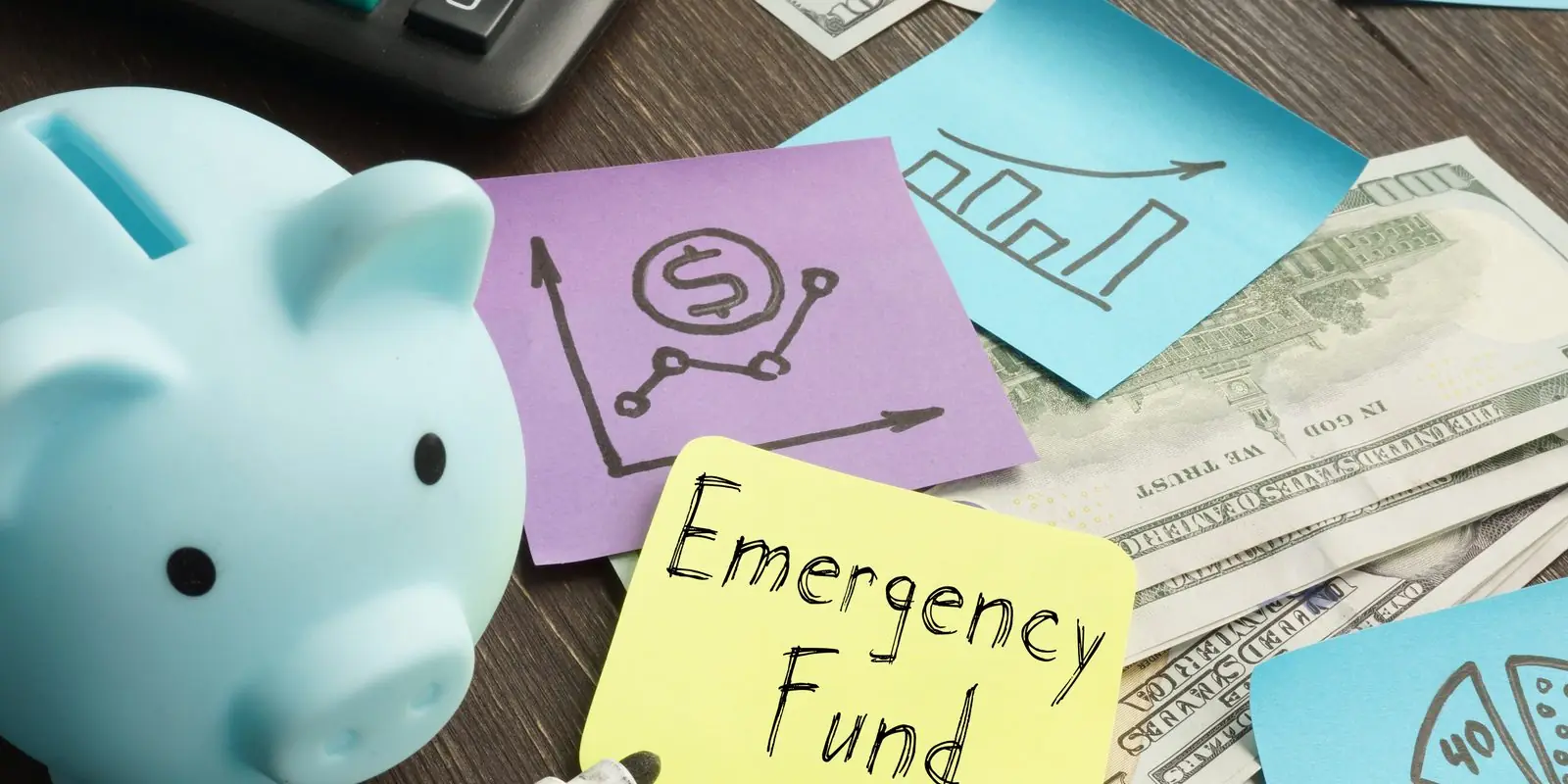
An emergency fund is money set aside for costs you cannot predict or put off: a car repair so you can get to work, an urgent vet bill, a gap between jobs. It is different from a sinking fund, which is for costs you know are coming, like rego or Christmas. Keeping them separate stops one from eating into the other.
This guide is general information, not financial advice, and the figures are examples.
A common rule of thumb is three months of essential expenses, with some people choosing more if their income is less secure. It is a rule of thumb, not an official figure, so treat it as a starting point. Whatever the target, base it on essential costs, not your whole budget. Add up the monthly amounts for:
Invented example: essentials of $3,400 a month. Three months is $10,200. One month is $3,400.
If that total is daunting, that is normal. It is a long-term target, not a first step.
Enter your monthly essentials and how much you can set aside each pay. The calculator shows one week, one month and three months of essentials, and how many pays each takes.
A big number can put people off starting. Try milestones instead:
Which milestone makes sense depends on your situation. If you have a single income, irregular hours or dependants, a larger fund provides more security. If you have insurance, a second income or other support, you may feel comfortable with less.
For a $785 first target over 10 fortnightly pays, that is $78.50 a pay. Over 20 pays, $39.25. You can choose the speed. A smaller amount you keep up is better than a bigger one you drop. Put the money aside on payday, before you decide what to spend (see payday budget).
Moneysmart has a page on how to start saving, including how small regular amounts add up.
The honest answer is that it depends on how steady your income is and how many people rely on it. These are rules of thumb, not official figures:
| Situation | Reasonable thing to consider |
|---|---|
| Starting from zero | A few hundred dollars, then one week of essentials |
| Steady job, second income in the household | One to three months of essentials |
| Single income or dependants | Three months or more |
| Casual, contract or seasonal work | Often more, or a baseline buffer. See budgeting on irregular income |
| Self-employed | Often more, and think about tax as well |
These are prompts for thought, not advice. A financial counsellor or adviser can look at your whole situation.
Using essentials rather than your whole budget gives a smaller, more realistic number.
Invented figures. A household pays $3,400 a month in essentials and is paid fortnightly.
| Step | Working | Result |
|---|---|---|
| One week of essentials | $3,400 × 12 ÷ 52 | $784.62 |
| One month | $3,400 | $3,400.00 |
| Three months | $3,400 × 3 | $10,200.00 |
| Pays to reach one week at $50 a pay | $784.62 ÷ $50, rounded up | 16 pays |
| Pays to reach three months at $100 a pay | $10,200 ÷ $100 | 102 pays (about 3.9 years) |
A target that takes four years can feel hopeless, which is why the milestones matter. Reaching one week in 16 pays is something to tick off.
| Emergency fund | Sinking fund | Savings goal | |
|---|---|---|---|
| For | Unexpected, necessary, urgent | Known costs on a date | Something you want |
| Example | Car breakdown | Rego, Christmas | Holiday, deposit |
| Target is based on | Essential costs | The bill amount and date | A figure you choose |
| Used when | Something goes wrong | The bill arrives | You reach the goal |
Keeping them apart means a predictable bill does not drain the fund meant for surprises.
A common rule of thumb is three months of essential costs, though more or less can suit different situations. A first milestone of one week is a good place to begin. Use the calculator above for your own figures.
Many people build a small buffer first so an unexpected bill does not go back on a card, then focus on debt. It depends on interest rates and your situation. The National Debt Helpline (1800 007 007) can talk it through.
Somewhere separate from everyday spending and easy to reach, such as an accessible savings account. Check the conditions, since some accounts limit withdrawals.
No. Savings can be for anything. An emergency fund has one job.
Divide your first target by the number of pays you want to take, and move that amount on payday. The savings guide has a goal calculator for this.
Decide this before you need it. A useful test: is it unexpected, necessary and urgent? A car breakdown that stops you getting to work passes. A sale on a laptop does not. If you find yourself dipping in for things that are really predictable, add them to a sinking fund instead.
Using your emergency fund is what it is for. Do not treat it as failure. Rebuild it using the same method, starting with a smaller target again if necessary.
If every pay is spoken for, a fund can feel out of reach. Start by finding where the gap is (see living paycheck to paycheck), and if bills are a struggle, the National Debt Helpline is free on 1800 007 007.
This article provides general information only. It does not take into account your personal objectives, financial situation or needs, and it is not financial advice. Examples use invented figures. Money Detective's tools provide estimates and planning information. Consider your own circumstances, and seek independent advice if you need it, before making financial decisions.