
Six practical habits that can cut your fuel bill, with the sums worked out for a 40 litre week.

Written by Alex BPublished 13 November 2026
Money Detective is built around practical household money tools for Australians.
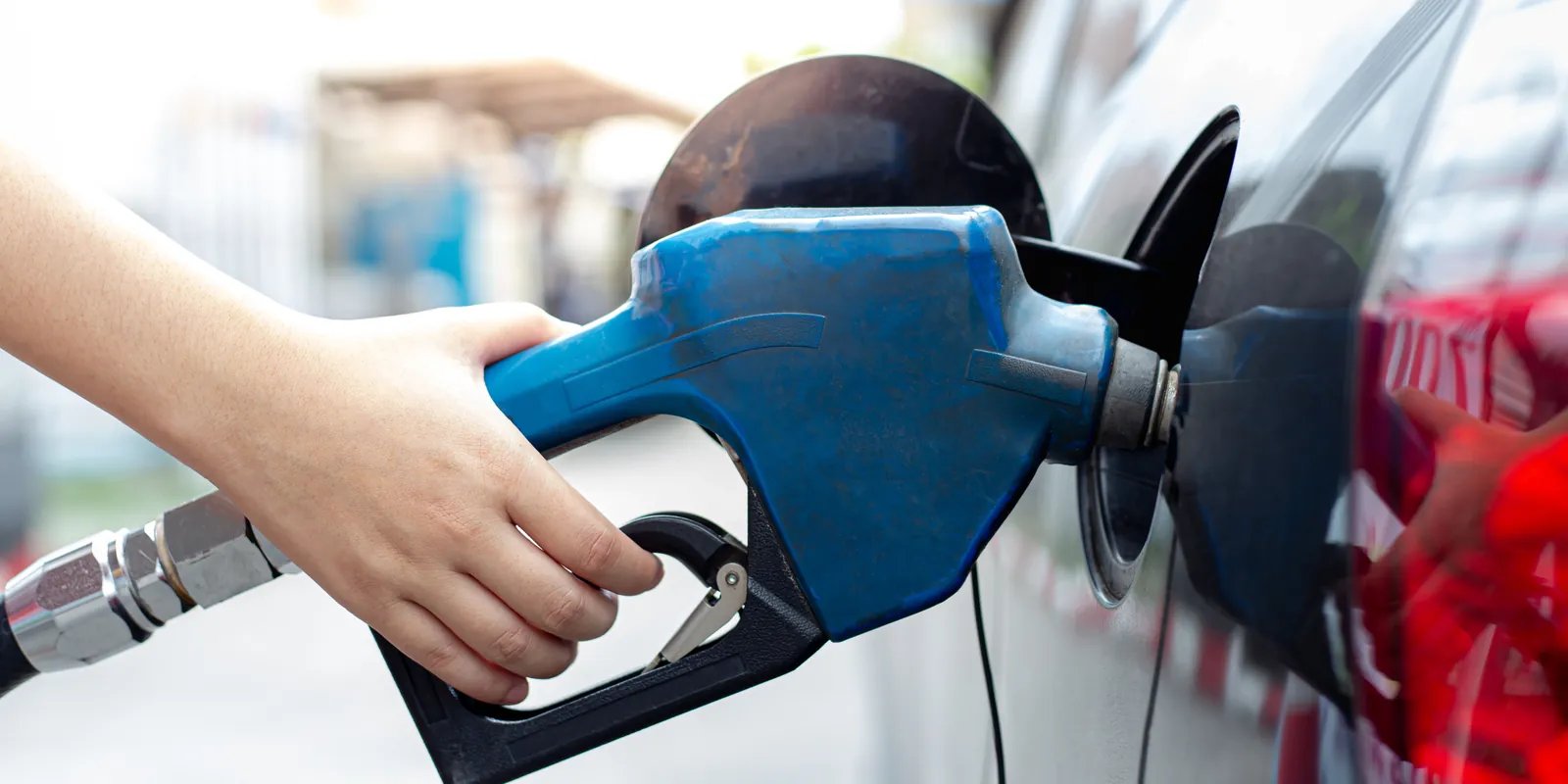
The biggest single saving is not paying more than you need at the bowser, so check a fuel price app before you fill up. The ACCC found more than 40 free fuel price apps and websites in the first half of 2024, from state governments, motoring groups and commercial providers. If you buy 40 litres a week and save 10 cents a litre, that is $4.00 a week, or $208.00 a year. That is a worked example, not a promise.
There are government-run apps with real-time prices for Western Australia (FuelWatch), New South Wales and the ACT (FuelCheck), the Northern Territory (MyFuel NT) and Tasmania (FuelCheck TAS). The Royal Automobile Club of Queensland, the Royal Automobile Association of South Australia and the Royal Automobile Club of Victoria have apps too, as do commercial providers. The ACCC lists apps and websites for each state.
In Sydney, Melbourne, Brisbane, Adelaide and Perth, petrol prices rise and fall in cycles, and the ACCC publishes buying tips for those cities. There is no petrol price cycle in Canberra, Hobart, Darwin or most regional locations, so there the saving comes from shopping around between sites.
RACV notes that under-inflated tyres can increase fuel use without you noticing. Check the pressure regularly and set it to the recommended level for your car, which your handbook or a label in the car will show.
Take off roof racks and boxes when you are not using them, because they add drag. Empty out the boot too, as extra weight takes more fuel to move.
Looking ahead, easing off early and braking gently use less fuel than sharp starts and stops. Combine errands into one trip, and carpool where you can.
Shopping dockets, loyalty programs and fuel discounts can take cents off a litre. Check the terms, and do not buy extra groceries just to chase a discount. The Money Back Guide is a 35-page Australian guide with 50+ ways to keep more of your money, including cashback, points, fuel, groceries, rebates, bills and tax.
A driver buys 40 litres a week. Here is what different savings per litre are worth:
| Saving per litre | Per week (40 litres) | Per year |
|---|---|---|
| 5 cents a litre | $2.00 | $104.00 |
| 10 cents a litre | $4.00 | $208.00 |
| 15 cents a litre | $6.00 | $312.00 |
These are arithmetic, not guarantees: the real saving depends on your prices, your area and your habits. Adding up the lines also shows why small habits matter. Ten cents a litre saved across a year is $208.00, which pays for a good part of a car rego or a Christmas gift list.
Give fuel its own line in your budget, so you can see planned vs actual each fortnight. The Free Fortnightly Budget and Fortnightly Budget Plus are Excel workbooks with planned and actual columns. The Payday Buffer gives a Safe to Spend estimate, which helps when the tank and the pay cycle do not line up. Nothing connects to your bank.
Other car costs: rego and insurance arrive as big bills too. The car rego cost guide shows how to set money aside for them each pay.
It depends on where you live. In the five largest cities, prices follow a cycle, and the ACCC updates its buying tips three times a week. Elsewhere there is no cycle, so compare sites.
The ACCC found that motorists can save money by using fuel price apps and websites to find lower prices in their area.
This article provides general information only. It does not take into account your personal objectives, financial situation or needs, and it is not financial advice. Examples use invented figures. Money Detective's tools provide estimates and planning information. Consider your own circumstances, and seek independent advice if you need it, before making financial decisions.