
Plan around what you already have, shop from a list, and cook once to eat twice.

Written by Alex BPublished 13 November 2026
Money Detective is built around practical household money tools for Australians.
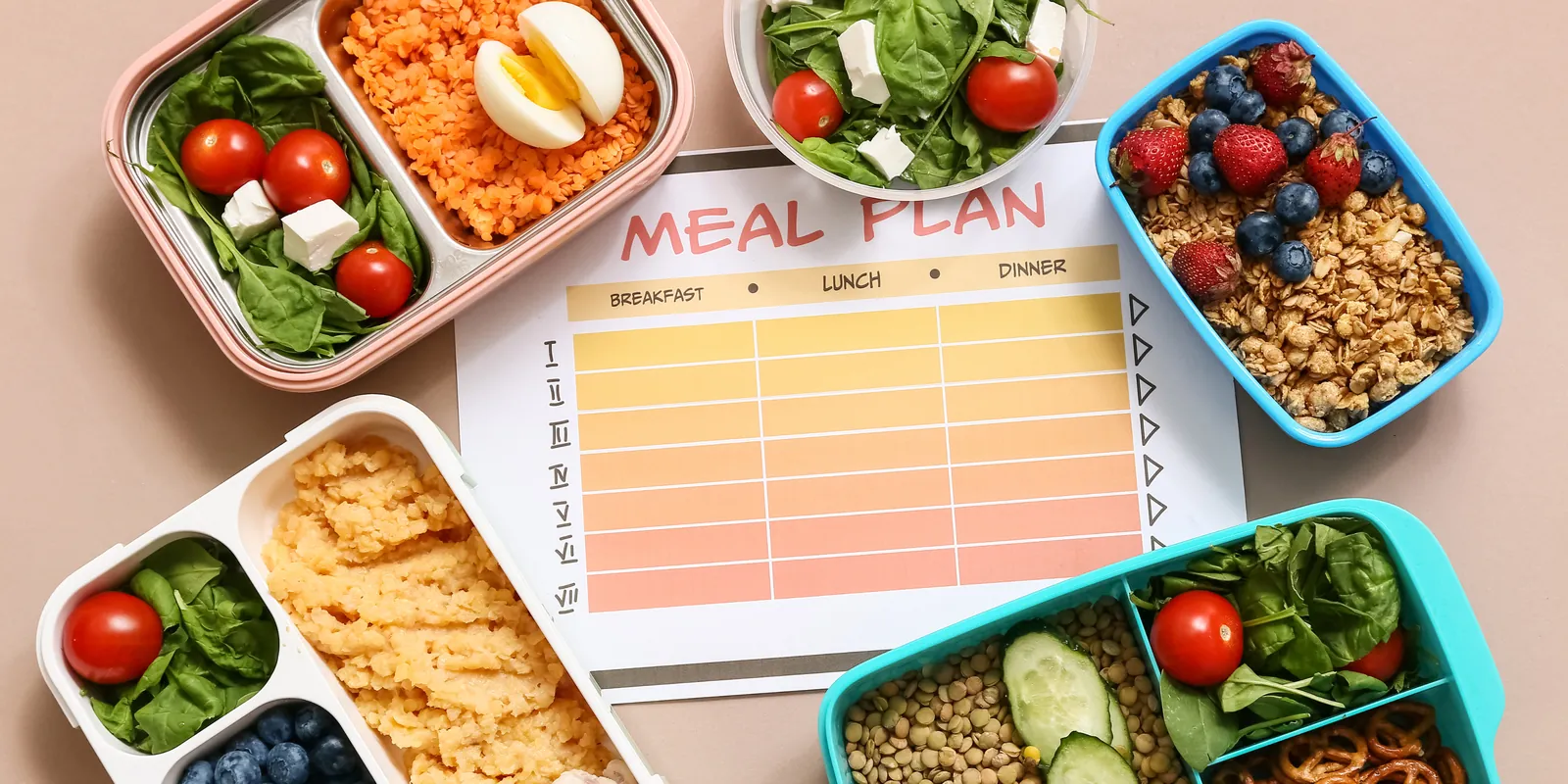
Check what you already have, plan dinners around it, write the list from the plan, and shop once. That four-part habit is the core of budget meal planning, and it targets the unplanned top-up shops that push a grocery bill over budget. In the example below, a $150 week is $21.43 a day, or $300 a fortnight.
The $150 is an invented example for a household, not a recommended amount or an average. The grocery budget guide shows how to set a range that fits your own household.
A household sets a $150 weekly shop and splits it by category.
| Where the $150 goes | Example amount |
|---|---|
| Fruit and vegetables | $40 |
| Meat, fish and eggs | $45 |
| Dairy | $20 |
| Bread, pantry and tins | $30 |
| Freezer items and extras | $15 |
| Weekly shop | $150 |
The plan for the week then uses that shop:
| Day | Dinner | Why it saves money |
|---|---|---|
| Monday | Spaghetti bolognese, double batch | Half goes in the freezer for Wednesday |
| Tuesday | Chicken and vegetable stir-fry with rice | Uses the vegetables bought on the weekend |
| Wednesday | Frozen bolognese on baked potatoes | No cooking, no takeaway |
| Thursday | Tacos with the leftover chicken and salad | Uses up what is in the fridge |
| Friday | Homemade pizza night | Cheap base, toppings from the fridge |
| Saturday | Vegetable soup and toast | Uses vegetable ends before they spoil |
| Sunday | Roast chicken and vegetables | Leftovers become Thursday and lunches |
Planned against actual, this household can see at the end of the week whether $150 was enough, and adjust the next shop up or down instead of guessing.
A plan only helps if you can see how it went. Put your weekly shop in a planned vs actual budget, as in the budget vs actual guide. The Free Fortnightly Budget has 23 categories with planned and actual columns, and Fortnightly Budget Plus adds a BUDGET vs ACTUAL tab. Both are Excel workbooks, and nothing connects to your bank.
Know what is left to spend between paydays: the Payday Buffer workbook gives a Safe to Spend estimate, so you can see whether the shop fits before you go.
For more ways to bring bills down, see cost of living help in Australia.
It depends on household size, location and what you eat. Use the grocery budget guide to build a range from your own spending.
It works if you will actually eat the meals. Start with one double batch a week and see how it goes.
This article provides general information only. It does not take into account your personal objectives, financial situation or needs, and it is not financial advice. Examples use invented figures. Money Detective's tools provide estimates and planning information. Consider your own circumstances, and seek independent advice if you need it, before making financial decisions.